Electric vehicles are becoming an increasingly common sight on UK roads, with more drivers choosing electric cars to reduce their running costs and move away from petrol and diesel. However, one of the biggest questions facing new electric vehicle owners is how they should charge their cars. Although public charging stations are widely available, installing a dedicated charging point at home can offer several important advantages.
At GLSR Solutions Ltd, we help homeowners throughout Nottingham and the surrounding areas find practical electric vehicle charging solutions. In this guide, we explore the costs, benefits and considerations involved in installing a home EV charger, helping you decide whether it is a worthwhile investment for your property.
What Are the Benefits of Having an Electric Car Charger at Home?
One of the main advantages of having a dedicated electric car charger at home is convenience. Instead of travelling to a public charging station and waiting for your vehicle to recharge, you can simply plug your car in when you arrive home.
For many electric vehicle owners, this means waking up each morning with enough charge for their daily journeys. It removes much of the planning associated with finding available public chargers and makes electric vehicle ownership more straightforward.
Home charging can also be more economical than relying entirely on public charging networks. Depending on your electricity tariff, you may be able to charge your vehicle at a considerably lower cost per kilowatt-hour.
Another important benefit is control. Modern smart chargers allow you to monitor electricity consumption, schedule charging sessions and manage how your vehicle uses electricity.
At GLSR Solutions Ltd, we help customers choose suitable charging equipment based on their vehicles, electrical installations and everyday driving requirements.
Is Charging an Electric Car at Home Cheaper Than Public Charging?
For many UK drivers, charging an electric vehicle at home can be significantly cheaper than using public rapid charging stations.
The amount you pay depends on your domestic electricity tariff, the efficiency of your vehicle and the amount of electricity required to recharge its battery. Public charging prices also vary between providers, charging speeds and locations.
Some electricity suppliers offer specialist EV tariffs with reduced overnight electricity rates. These tariffs can make home charging particularly attractive if you can schedule your vehicle to recharge during cheaper periods.
For example, a vehicle requiring 40kWh of electricity would cost approximately £10 to charge at an illustrative electricity rate of 25p per kWh. At a cheaper overnight rate of 10p per kWh, the same amount of electricity would cost £4.
These figures are examples rather than current tariff quotations and exclude charging losses. Actual costs will depend on your supplier, tariff and charging conditions.
Over several years, the potential savings from home charging can become substantial, particularly for drivers covering higher annual mileages.
How Much Does It Cost to Install an Electric Car Charger at Home?
The installation cost of a home EV charging point depends on the charger you choose and the electrical work required at your property.
A straightforward installation, where the charger can be positioned relatively close to the electricity supply, will generally be less expensive than one requiring extensive cabling or electrical upgrades.
The charging equipment itself also influences the overall cost. Basic smart chargers may be more affordable than advanced models offering solar integration, detailed energy monitoring and additional charging features.
At GLSR Solutions Ltd, we assess each property before recommending suitable equipment. This allows us to identify any potential installation challenges and provide a quotation based on the work required.
Although purchasing and installing a dedicated charger involves an initial investment, the long-term convenience and potential electricity savings can make it worthwhile.
Homeowners should consider how frequently they charge their vehicles, their annual mileage and how long they expect to remain at the property when deciding whether to invest.
How Much Faster Is a Home EV Charger Than a Three-Pin Plug?
Although some electric vehicles can be charged using a suitable domestic three-pin socket and manufacturer-approved charging equipment, this is generally slower than using a dedicated charging point.
A typical UK domestic socket may provide charging at approximately 2.3kW, while many professionally installed home EV chargers can deliver up to 7kW under suitable conditions.
This difference can significantly reduce the time required to recharge an electric vehicle.
For example, adding 35kWh of electricity could take approximately five hours using a 7kW charger, compared with more than fifteen hours at 2.3kW. Actual charging times will vary depending on the vehicle, battery condition, charging losses and electrical supply.
A dedicated charging point is also designed specifically for sustained electric vehicle charging and incorporates appropriate electrical protection.
At GLSR Solutions Ltd, we recommend having your electrical installation assessed before choosing charging equipment. This helps ensure the charger is suitable for your property and can operate safely.
Can Smart EV Chargers Help Reduce Electricity Bills?
Smart charging technology is one of the most useful developments in modern electric vehicle ownership.
Many smart EV chargers allow drivers to schedule charging sessions using a mobile application. This means you can plug your vehicle in during the evening but arrange for charging to begin later, when cheaper electricity rates may be available.
Some chargers can also monitor electricity consumption and provide information about individual charging sessions. This makes it easier to understand how much energy your vehicle uses and estimate your charging costs.
Certain models offer dynamic load management, which adjusts charging power according to the electrical demand elsewhere in your home.
This can be particularly useful in households where several high-powered appliances operate simultaneously.
At GLSR Solutions Ltd, we help Nottingham homeowners understand the features available from different charging systems and choose equipment that suits their requirements.
Selecting a smart charger with the right functions can make home charging more convenient while supporting better electricity management.
Can You Charge an Electric Car Using Solar Panels?
Homeowners with solar panels may be able to reduce their electric vehicle charging costs further by using electricity generated from sunlight.
Solar panels produce electricity during daylight hours, but households do not always use all that electricity immediately. A compatible solar EV charger can direct available surplus generation towards charging an electric vehicle.
This allows homeowners to make better use of the renewable electricity their properties produce.
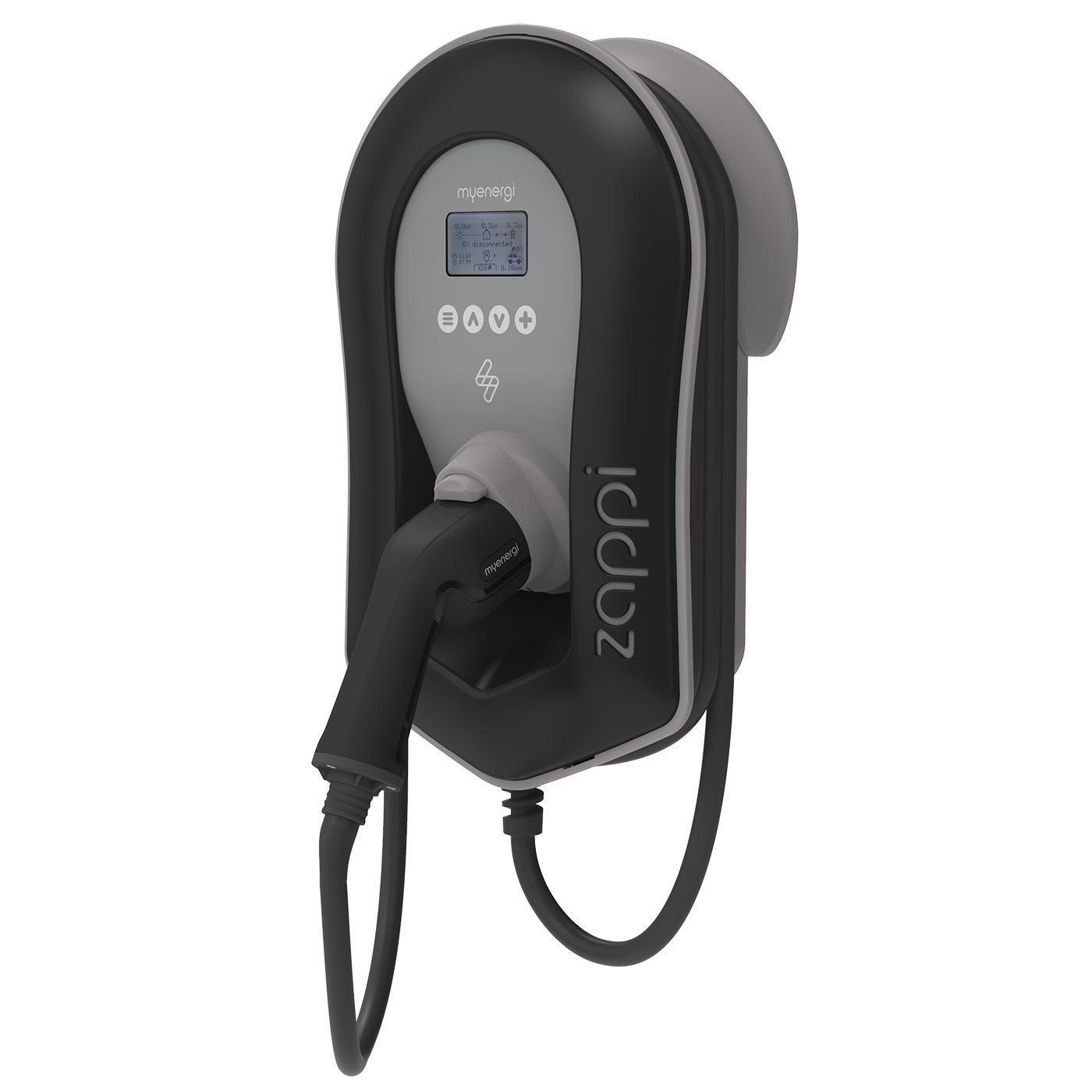
Some charging systems, including compatible myenergi Zappi models, offer charging modes designed to prioritise surplus solar generation.
However, the amount of solar electricity available will depend on the weather, time of year, solar panel capacity and household energy consumption.
Charging directly from solar generation is generally most beneficial when your vehicle is parked at home during daylight hours.
At GLSR Solutions Ltd, we can help customers explore solar-compatible EV charging solutions and understand how charging equipment can work alongside existing or planned solar installations.
For homeowners interested in reducing their reliance on purchased electricity, combining solar generation with vehicle charging can be an attractive option.
Does Having an EV Charger Add Value to Your Property?
As electric vehicle ownership becomes more widespread, having a dedicated home charging point may become an increasingly attractive feature for potential buyers.
A property with an existing charging installation could appeal to someone who already owns an electric vehicle or intends to purchase one.
For these buyers, a professionally installed charging point removes the need to arrange an installation after moving into the property.
However, it is important to recognise that an EV charger does not guarantee an increase in property value. Its appeal will depend on local demand, the property’s parking arrangements and the preferences of individual buyers.
A dedicated charging point can nevertheless make a property more convenient and better prepared for changing transport habits.
Homeowners considering installation should therefore view the charger primarily as a practical improvement that supports their own driving requirements, with any potential resale benefit being an additional advantage.
What Should You Consider Before Installing a Home EV Charger?
Before arranging an installation, it is important to consider your property’s electrical supply, parking arrangements and charging requirements.
Most conventional domestic installations require a suitable location where your vehicle can be parked safely while connected to the charger.
The position of your consumer unit, the distance to the proposed charging point and the condition of the existing electrical installation can all affect the work required.
You should also consider your vehicle’s charging capabilities and whether you would benefit from features such as scheduled charging or solar compatibility.
If you expect to change vehicles in the future, choosing suitable equipment with widely supported charging connections may offer additional flexibility.
Homeowners should also be aware that some installations may require notification to the electricity network operator, and planning considerations can apply in certain circumstances.
Working with experienced installers helps ensure these requirements are considered before work begins.
Is a Home EV Charger Worth the Investment?
For many electric vehicle owners, installing a dedicated charging point at home is a worthwhile investment.
The convenience of charging overnight, the potential to benefit from cheaper electricity tariffs and the faster charging speeds available from suitable equipment can make everyday electric vehicle ownership considerably easier.
The financial benefits will depend on your circumstances. Drivers who regularly cover longer distances and charge frequently may see greater savings compared with those who use their vehicles occasionally.
Households with solar panels may also benefit from equipment that can use surplus renewable electricity.
At GLSR Solutions Ltd, we believe the best charging solution is one that meets your actual requirements without unnecessary complexity or expense.
Our team can help you understand the options available and make an informed decision about installing a charging point at your property.
Professional Home EV Charger Installation in Nottingham
If you are considering installing an electric car charging point at home, GLSR Solutions Ltd can help you choose a suitable solution for your property.
We provide professional EV charger installation in Nottingham, helping homeowners enjoy the convenience of reliable charging equipment at home.
Our team can assess your electrical installation, discuss suitable charging equipment and explain the benefits of smart charging and solar-compatible systems.
We focus on straightforward advice, professional workmanship and installations designed around individual requirements.
Contact GLSR Solutions Ltd today to arrange a free assessment and discover how a dedicated home EV charger could make electric vehicle ownership more convenient and cost-effective.