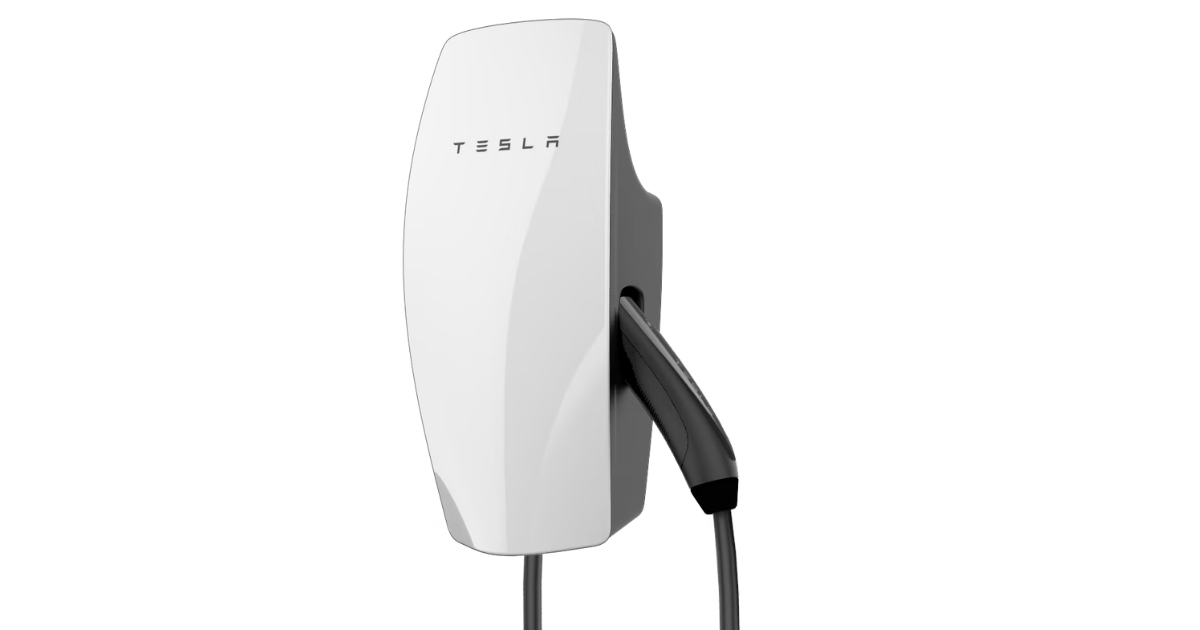
One of the most common questions people ask when considering an electric vehicle is how long it takes to recharge the battery. Unlike filling a petrol or diesel car, charging an electric vehicle takes time, and the amount required can vary considerably depending on the vehicle, charging equipment and available electricity supply.
At GLSR Solutions Ltd, we help homeowners throughout Nottingham understand their electric vehicle charging options and choose suitable equipment for their properties. In this guide, we explain how long home charging takes, the differences between charging speeds and what you can do to make charging your electric car more convenient.
How Long Does It Take to Fully Charge an Electric Car?
The time required to charge an electric car depends mainly on the size of its battery and the amount of power delivered by the charging equipment.
A vehicle with a relatively small battery will generally take less time to charge than one with a larger battery, assuming both use the same charging power.
Many modern electric vehicles have battery capacities ranging from approximately 40kWh to more than 80kWh, although smaller and larger batteries are also available.
For example, a car with a 60kWh battery could theoretically take around nine hours to charge from empty using a 7kW home charger. In practice, charging losses and other factors mean the process may take longer.
However, most drivers do not need to recharge their vehicles from completely empty every day.
If you return home with half your battery remaining, you may only need a few hours of charging to restore the energy used during your journey.
This is why home charging can be particularly convenient for everyday electric vehicle ownership.
How Fast Is a 7kW Home EV Charger?
A 7kW EV charger is one of the most common options for domestic installations in the UK.
These chargers are popular because they provide a practical charging speed for many electric vehicles while being suitable for numerous properties with a single-phase electricity supply.
Under suitable conditions, a 7kW charger can deliver approximately 7kWh of electricity to a vehicle in one hour, before accounting for charging losses.
This means a vehicle requiring an additional 35kWh of electricity could take around five hours to charge.
For many drivers, this is more than sufficient for overnight charging.
A dedicated home charging point also offers greater convenience than regularly relying on public charging stations.
At GLSR Solutions Ltd, we provide professional home EV charger installation services for Nottingham homeowners looking for reliable charging equipment.
Our team can assess your electrical supply, explain the charging speeds available and recommend suitable equipment based on your vehicle and everyday driving requirements.
How Long Does It Take to Charge an Electric Car Using a Three-Pin Plug?
Some electric vehicles can be charged using a standard domestic three-pin socket with suitable manufacturer-approved charging equipment.
However, this method is considerably slower than using a dedicated home EV charger.
A typical domestic charging arrangement may deliver approximately 2.3kW of power, meaning it could take more than fifteen hours to add 35kWh of electricity to a vehicle.
Charging a larger battery from a low state of charge could take considerably longer.
Regular charging through an ordinary domestic socket also requires careful consideration of electrical safety.
Domestic sockets and wiring may not always be suitable for prolonged high electrical loads, particularly in older properties or where the condition of the installation is uncertain.
Extension leads should not be used as a routine solution for charging electric vehicles.
A professionally installed dedicated charging point is generally the preferred option for regular home charging.
At GLSR Solutions Ltd, we can assess your property and explain the benefits of installing suitable EV charging equipment.
What Factors Affect Electric Car Charging Speed?
Several factors influence how quickly an electric vehicle can recharge, even when using a dedicated charging point.
The first is the charger’s power output. A 7kW charger can generally deliver electricity faster than a lower-powered charging arrangement.
However, the vehicle’s onboard charger also matters. Some electric vehicles cannot accept the full power available from certain AC charging points.
Battery capacity is another important consideration, as larger batteries require more electricity to reach the same percentage charge.
Temperature can also affect charging performance. Electric vehicle batteries operate most efficiently within particular temperature ranges, and charging speeds may be reduced in very cold or hot conditions.
The battery’s existing state of charge can influence charging behaviour, particularly as it approaches full capacity.
Some smart charging systems also adjust their power output to manage household electricity demand.
Understanding these factors can help you set realistic expectations about charging times and select suitable equipment for your property.
Can You Charge an Electric Car Overnight?
For many electric vehicle owners, overnight charging is one of the most practical ways to keep their vehicles ready for everyday use.
Instead of waiting at a public charging station, you can connect your vehicle when you arrive home and allow it to recharge while you sleep.
A dedicated 7kW charger can add a substantial amount of energy during an overnight charging session, making it suitable for many daily driving requirements.
Some electricity suppliers also offer tariffs with cheaper rates during specific overnight periods.
If your charger supports scheduled charging, you may be able to arrange for the vehicle to recharge during these lower-cost hours.
However, it is important to check the length of the discounted period and the electricity rate that applies outside it.
At GLSR Solutions Ltd, we help homeowners choose smart charging equipment that supports convenient overnight charging.
Our aim is to make electric vehicle ownership easier while helping customers manage their electricity consumption effectively.
Do Smart EV Chargers Make Charging Faster?
Smart EV chargers do not necessarily charge vehicles faster than conventional chargers with the same power rating.
Instead, their main advantage is the additional control they provide over charging schedules and electricity usage.
Many smart chargers allow users to monitor charging sessions, review energy consumption and schedule charging through a mobile application.
This can be useful for households with electricity tariffs offering cheaper rates at particular times.
Some chargers also feature dynamic load management, which adjusts charging power when other electrical appliances are operating.
For example, if several high-powered appliances are being used simultaneously, a compatible charger may temporarily reduce its output to help keep the property’s electrical demand within safe limits.
At GLSR Solutions Ltd, we can explain the different smart charging features available and help you decide which are useful for your household.
Choosing the right equipment can improve convenience and energy management without paying for unnecessary features.
Can Solar Panels Charge an Electric Car at Home?
Solar panels can provide electricity for charging an electric vehicle, offering homeowners another way to make use of renewable energy.
During daylight hours, solar panels generate electricity that can be used by appliances throughout the property.
If the system produces more electricity than the household currently needs, a compatible solar EV charger may be able to direct some of the surplus energy towards the vehicle.
The charging speed will depend on how much solar electricity is available.
On a bright day, a solar installation may generate enough surplus electricity to provide useful charging power. During cloudy weather or periods of high household electricity consumption, less surplus energy may be available.
Some solar-compatible chargers can combine solar generation with electricity from the National Grid, depending on their settings.
At GLSR Solutions Ltd, we help Nottingham homeowners explore solar-compatible electric vehicle chargers and understand how they can work alongside existing or planned solar panel installations.
Is It Better to Charge an Electric Car to 80% or 100%?
Many electric vehicle manufacturers recommend particular charging limits for everyday use, although the advice varies according to the vehicle and battery technology.
Some manufacturers suggest limiting routine charging to around 80% to help manage long-term battery degradation.
However, vehicles using certain battery chemistries, including some lithium iron phosphate batteries, may have different charging recommendations.
Charging to 100% may also be appropriate before a longer journey when additional driving range is required.
The most important approach is to follow the guidance provided by your vehicle manufacturer.
Modern electric vehicles include battery management systems designed to control charging and protect the battery under normal operating conditions.
Many vehicles also allow drivers to set a preferred charging limit through their onboard controls or mobile applications.
Understanding your vehicle’s recommended charging practices can help you manage battery performance while ensuring you have sufficient range for everyday journeys.
How Much Driving Range Can You Add in One Hour of Charging?
The amount of driving range added during a charging session depends on the charger’s power output and the vehicle’s energy efficiency.
For example, a 7kW charger delivering approximately 7kWh of electricity in one hour could theoretically provide around 28 miles of driving range in a vehicle averaging four miles per kWh.
Actual range added will be lower once charging losses are considered.
Driving conditions, outside temperature, vehicle weight and driving style also influence how far an electric vehicle can travel using a particular amount of electricity.
A larger vehicle with higher energy consumption may gain fewer miles of range from the same charging session.
For many homeowners, the most useful consideration is how much electricity they need to replace after an average day’s driving.
If your daily journey uses relatively little battery capacity, a few hours of home charging may be enough to restore it.
This makes dedicated home charging particularly convenient for regular commuting and everyday journeys.
Choosing the Right Home EV Charger for Your Property
Selecting a suitable EV charger involves more than simply choosing the fastest available model.
Your property’s electrical supply, vehicle compatibility, parking arrangements and charging habits all influence which equipment is appropriate.
A 7kW charger may be suitable for many domestic properties, while other installations may require a different configuration.
You should also consider whether you would benefit from smart charging features, solar compatibility or a tethered charging cable.
At GLSR Solutions Ltd, we provide professional EV charger installation in Nottingham, helping homeowners choose reliable equipment suited to their properties.
Our experienced team can assess your electrical installation, discuss the available charging options and recommend a suitable solution.
We focus on providing straightforward advice, quality workmanship and charging systems designed around your everyday requirements.
If you are considering installing a dedicated home charging point, contact GLSR Solutions Ltd today to arrange a free assessment and discover how we can make charging your electric vehicle more convenient.