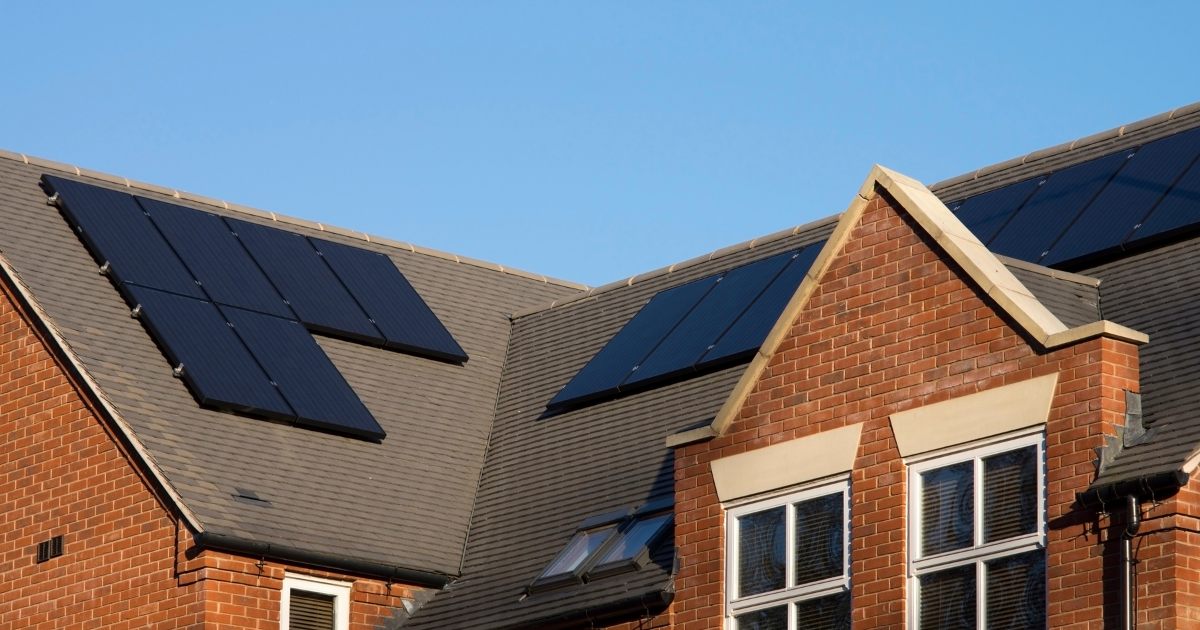
Solar panels can make a home more appealing to some buyers, but they do not come with a guaranteed increase in sale price. Their potential effect on value depends on the property, the quality and ownership of the system, its condition, the electricity it generates and what buyers are looking for when the home goes on the market.
That distinction matters if you are deciding whether to install solar panels before selling. The electricity your household can use during your time in the property is a benefit you can experience directly. Any increase in the eventual sale price is less certain and should be considered alongside the installation cost.
For Nottingham homeowners, the strongest approach is to choose a system that suits the house and to keep clear records of how it performs. Here is what the available evidence says, how local listings present solar panels and what you can do to make the benefits understandable to a buyer.
Can Solar Panels Add Value?
They can, particularly when buyers see a well-maintained, owned system as a way to reduce the amount of electricity they need to purchase. A suitable array may also appeal to people who want to improve a property’s energy efficiency without organising an installation after moving in.
It is difficult to attach one percentage to that benefit. Sale prices are influenced by location, condition, size, layout and the wider market. Comparing two different houses and attributing the difference in price to their solar panels would be unreliable. A buyer might value the equipment highly, view it as one useful feature among many, or have questions about its age and maintenance.
The answer is therefore best expressed as a possibility: solar panels may strengthen a home’s appeal and could contribute to its value, but an uplift should not be assumed for every property. If you need an estimate for your particular home, ask local estate agents to assess it alongside comparable recent sales.
What Does the Research Actually Show?
There is evidence that energy performance matters in the housing market, although that is broader than the effect of solar panels alone. A UK government-commissioned study of repeat sales found a relationship between Energy Performance Certificate ratings and residential sale prices in England. It examined transactions from 1995 to 2011, so it provides context about energy efficiency rather than a current valuation for a Nottingham home with a new solar installation.
Buyer-facing interest is also visible in property advertising. Rightmove reported that mentions of solar panels in property listings rose year on year in its 2025 greener homes analysis. An increase in mentions shows that agents are drawing attention to the feature. By itself, it does not establish that every home with panels achieved a higher sale price.
For a homeowner, that means the research is encouraging but should be used carefully. General findings about efficient homes, a national trend in listings and a valuation of one Nottingham property answer different questions. None can replace an assessment of your house and the system you propose to install.
How Are Nottingham Homes with Solar Panels Advertised?
Local listings show how agents describe the feature to prospective buyers. At the time of writing, a Hucknall Road home advertised on Rightmove highlights an owned solar panel array and battery storage in its key features. A Victoria Crescent property listed on Rightmove describes owned solar panels alongside a battery and an EV charging point. On Zoopla, an Ingram Road home in Nottingham includes solar panels with battery storage among its advertised features. Property adverts can change or be removed as homes sell.
These are examples of presentation, not evidence that the asking prices were caused by solar panels. Each home has many other features affecting its price. What the listings do show is that ownership, battery storage and the presence of solar equipment can be made visible to people browsing Nottingham properties.
If you sell a home with panels, clear and accurate details will be more useful than a broad claim about how much value they add. Buyers should be able to understand what is installed, who owns it and how it benefits the household.
Why Might Buyers Be Interested?
Running costs are one reason. Solar PV panels generate electricity during daylight hours. Electricity used within the home can reduce the amount purchased from the grid, although the benefit depends on how much the system generates and when the household uses power.
A buyer may also like the prospect of moving into a home where the installation work is already complete. They can see the existing panels, review the paperwork and ask about actual generation rather than starting with a quotation. That convenience can be particularly appealing if the roof, wiring and equipment have been professionally assessed and maintained.
Energy Saving Trust explains that solar savings vary with household usage, location and export arrangements. An estimate based on one owner’s habits may not match those of the next household. A home occupied throughout the day, for example, may use its solar electricity differently from one that is usually empty until the evening.
Does the System Need to Be Owned?
Ownership is an important question for buyers. Panels purchased by the homeowner and included in the sale are easier to explain than an arrangement involving another party. If the system is subject to an agreement, that agreement needs to be reviewed so everyone understands the obligations attached to it.
Energy Saving Trust advises buyers to check the ownership documents and confirm that the system is included in the sale agreement. It also recommends asking about any Feed-in Tariff or Smart Export Guarantee arrangements. Sellers can make those enquiries easier by gathering the documents before marketing the house.
If you are considering a new installation with a future move in mind, ask at the quotation stage what documents you will receive and how ownership will be evidenced. A clear handover pack can be useful throughout the system’s life, as well as during a sale.
Can Battery Storage Make a Difference?
A battery can make a solar installation more useful for households that generate surplus electricity during the day and need more power later. Instead of exporting all unused generation immediately, they can store some of it for another time. That flexibility may interest buyers, particularly if their routine differs from that of the current owner.
Battery storage also adds cost, so its value should be assessed on its own merits. The appropriate capacity depends on the panels, household demand and how electricity is used. A large battery is not automatically the best financial choice, and an older battery may raise questions about its remaining warranty and performance.
GLSR Solutions can assess solar battery storage options in Nottingham for a new or existing installation. If resale appeal is one of your goals, accurate information about the battery’s model, capacity, installation date and ownership will help a future buyer understand what is included.
What About Payments for Exported Electricity?
When a solar PV system generates more electricity than the home uses, some of the surplus may be exported. Eligible households can receive payments through an export tariff. Ofgem explains that the Smart Export Guarantee requires participating suppliers to pay eligible small generators for electricity exported to the grid, with suppliers setting their own rates and terms.
Export arrangements should be described accurately when selling. An existing owner’s tariff and payments are not a promise of identical returns for a buyer. The new owner will need to check the applicable agreement, eligibility and transfer process.
Older installations may have a Feed-in Tariff agreement instead. The scheme closed to new applicants, but some existing agreements remain active. Energy Saving Trust advises buyers and sellers to check the paperwork and establish what happens to the contract when ownership changes. Keeping that information to hand can prevent a useful feature becoming a source of uncertainty during conveyancing.
Could Solar Panels Improve an EPC Rating?
Solar panels may affect a property’s Energy Performance Certificate assessment, but a particular EPC result should never be promised before an assessment is carried out. The outcome depends on the property and the details recorded by the assessor.
An EPC can help buyers compare homes, while information about the solar installation adds detail that the headline rating cannot provide. If you have installed panels since your current EPC was issued, discuss whether obtaining a new assessment would be useful when preparing the home for sale.
Remember that an EPC and a system’s real-world generation are different measures. Buyers may want to see both the certificate and records from the solar monitoring system. Together, those documents offer a fuller picture than a claim that the house has “low bills”.
What Might Reduce a Buyer’s Confidence?
A poorly documented system can leave buyers unsure about what they are purchasing. Missing installation certificates, unclear ownership, unanswered questions about roof access or an inverter that has stopped working may all lead to further enquiries.
Condition matters as well. Panels are intended to operate for many years, but associated components can need attention during the system’s life. Energy Saving Trust advises buyers to ask about warranties and maintenance and, where appropriate, have the equipment checked by a professional. A seller who can show that an issue was identified and resolved is in a better position to explain the system than one who cannot confirm whether it is working.
If your existing installation is underperforming, arranging solar panel maintenance in Nottingham before putting the house on the market may help you establish its condition. The aim is to give buyers reliable information, not to imply that servicing guarantees a particular sale price.
Is It Worth Installing Panels Shortly Before Selling?
That depends on how long you expect to stay and why you want the installation. If you plan to move very soon, relying on a price increase to recover the full cost would be uncertain. Your local market, the property’s other strengths and buyers’ preferences all affect the outcome.
If you expect to live in the home for longer, you may benefit from using the electricity the panels generate before the property is sold. That gives the installation a purpose independent of any eventual change in sale price. A system selected around your roof and energy use is also easier to explain than one installed solely because solar is thought to be attractive to buyers.
Before deciding, compare a property-specific installation quotation with your likely energy use, the roof’s suitability and your expected time in the home. Speak to local estate agents if resale value is central to the decision. Their view should relate to your house and comparable homes, rather than a national percentage applied to every Nottingham property.
How Can You Present Solar Panels When Selling?
Start with facts a buyer can verify. Record when the panels were installed, their system capacity, the installer’s details and what equipment is included in the sale. Keep the installation and warranty documents together with information about the inverter, any battery, maintenance and export arrangements.
Where you have monitoring data, it can show how much electricity the system has generated. Explain that generation and financial savings are different figures: future bills will depend on the next household’s electricity use and tariff. If a component has been replaced or the system repaired, retain evidence of that work.
An estate agent can then describe the feature clearly in the listing. The Nottingham examples above demonstrate how panels and batteries can appear in property particulars. Accurate wording helps interested buyers recognise the equipment’s potential benefits and ask informed questions at a viewing.
Make the Decision for Your Home
Solar panels could contribute to your home’s appeal and value, but the strongest reasons to install them are specific to your property: a suitable roof, a system matched to your electricity use and benefits you expect to gain while living there. Good documentation and ongoing care can help future buyers assess those benefits for themselves.
GLSR Solutions provides solar panel installation in Nottingham designed around each property’s requirements. If you would like to explore the options for your home, contact GLSR Solutions to arrange a discussion about your roof, energy use and a suitable solar PV system.